BPC-157 (Body Protection Compound-157)
Molecular Formula: C62H98N16O22
Molecular Weight: ~1419 g/mol
Sequence: Gly-Glu-Pro-Pro-Pro-Gly-Lys-Pro-Ala-Asp-Asp-Ala-Gly-Leu-Val
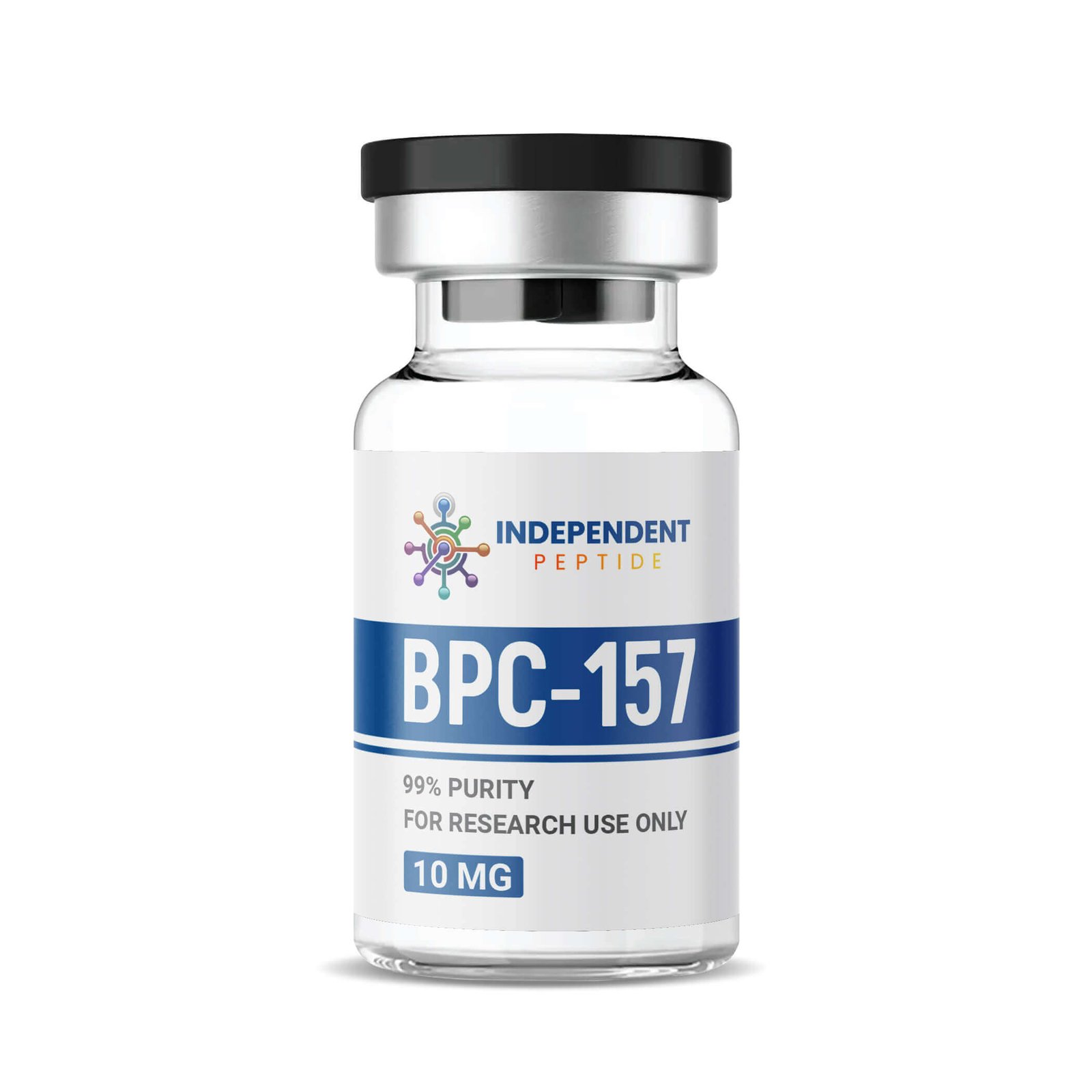
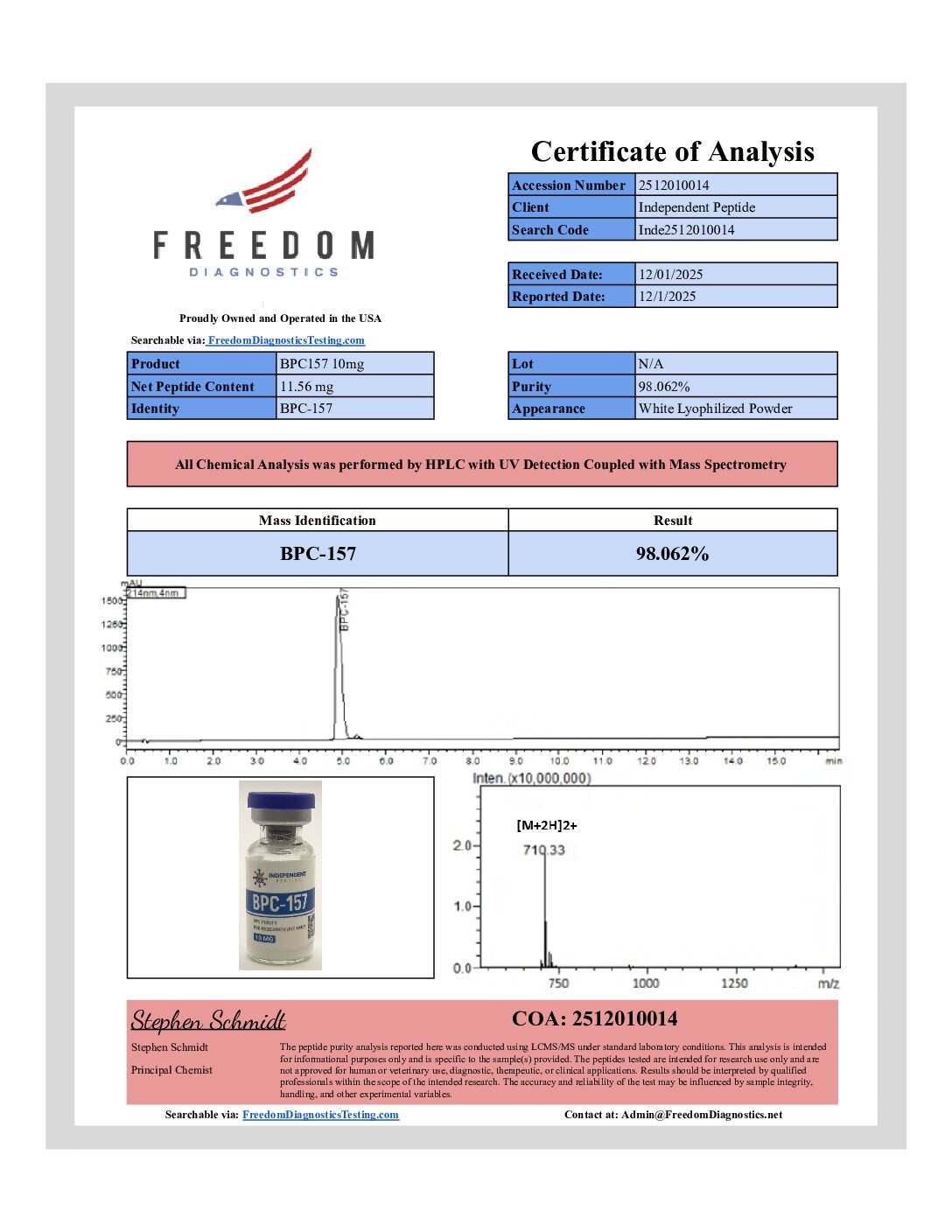
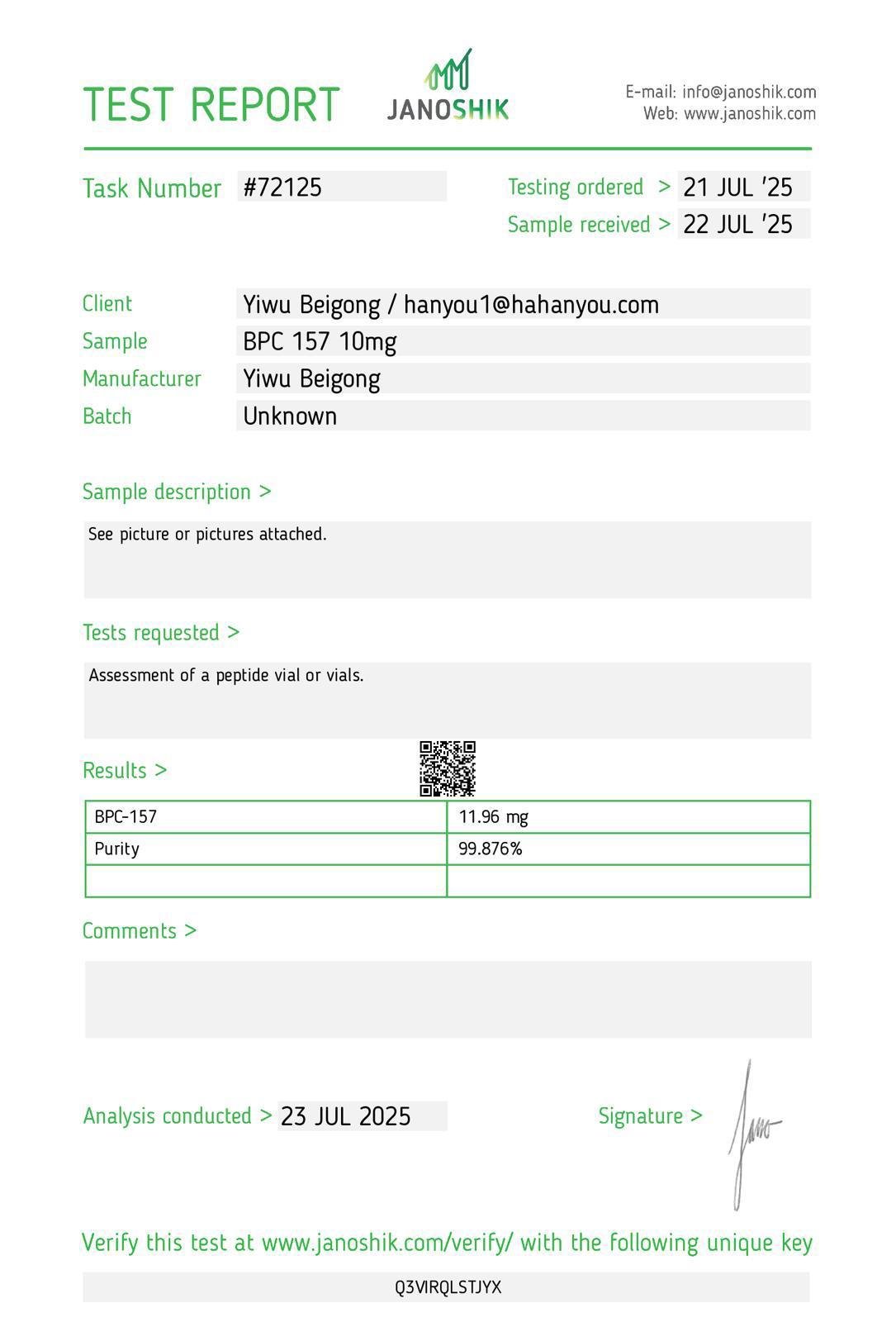
Form: Lyophilized powder, ≥98% purity
Synonyms: PL 14736, Pentadecapeptide BPC-157
Overview
BPC-157, short for Body Protection Compound-157, is a synthetic pentadecapeptide derived from a protective protein found in human gastric juice. It has gained significant attention in preclinical research for its ability to accelerate healing, promote angiogenesis, protect organs, and reduce inflammation.
With a broad spectrum of activity, BPC-157 is often studied for its role in musculoskeletal repair, gastrointestinal protection, and vascular recovery. Its regenerative and cytoprotective properties make it one of the most widely researched peptides in tissue repair and healing science.
Mechanism of Action
In laboratory models, BPC-157 exhibits multiple regenerative mechanisms:
Angiogenesis Promotion: Enhances formation of new blood vessels, aiding tissue recovery.
Cytoprotection: Protects cells from oxidative stress and toxicity.
Collagen Synthesis: Supports fibroblast activity, promoting tendon, ligament, and muscle repair.
Anti-Inflammatory Effects: Modulates inflammatory cytokines and reduces tissue swelling.
Neuroprotection: Demonstrated effects in nerve healing and protection in preclinical studies.
Organ Protection: Preserves gastric lining, liver, and vascular integrity under stress conditions.
Research Areas
BPC-157 is investigated in preclinical and experimental settings for:
Tendon & Ligament Repair: Studying enhanced recovery from injuries and strains.
Muscle Healing: Research into faster regeneration of muscle tissue.
Gastrointestinal Protection: Exploring cytoprotective effects on gastric mucosa and intestines.
Neuroprotection: Investigating nerve regeneration and recovery.
Wound Healing: Studying improved closure, reduced scarring, and accelerated healing.
Cardiovascular Health: Research into vascular integrity and angiogenesis in ischemic tissues.
Handling & Storage
Storage (lyophilized): –20°C in a cool, dry, and dark place.
Reconstitution: Reconstitute with sterile or bacteriostatic water. Store at 2–8°C once dissolved.
Stability: Avoid repeated freeze–thaw cycles for best stability.
Disclaimer
BPC-157 is provided strictly for laboratory and preclinical research use only.
It is not approved for human or veterinary consumption, therapeutic treatment, or diagnostic use. No clinical studies confirm its safety or efficacy in humans.